Today, March 30, 2026, the world celebrates International Day of Zero Waste, a date proclaimed by the United Nations General Assembly in December 2022 and jointly facilitated by the United Nations Environment Programme (UNEP) and the United Nations Human Settlements Programme (UN-Habitat). At Global Zero Waste, we join this commemoration with deep conviction, reaffirming our decade-long commitment to transforming waste management globally through international standards, independent verification, and specialized education.
A planetary crisis that demands real action
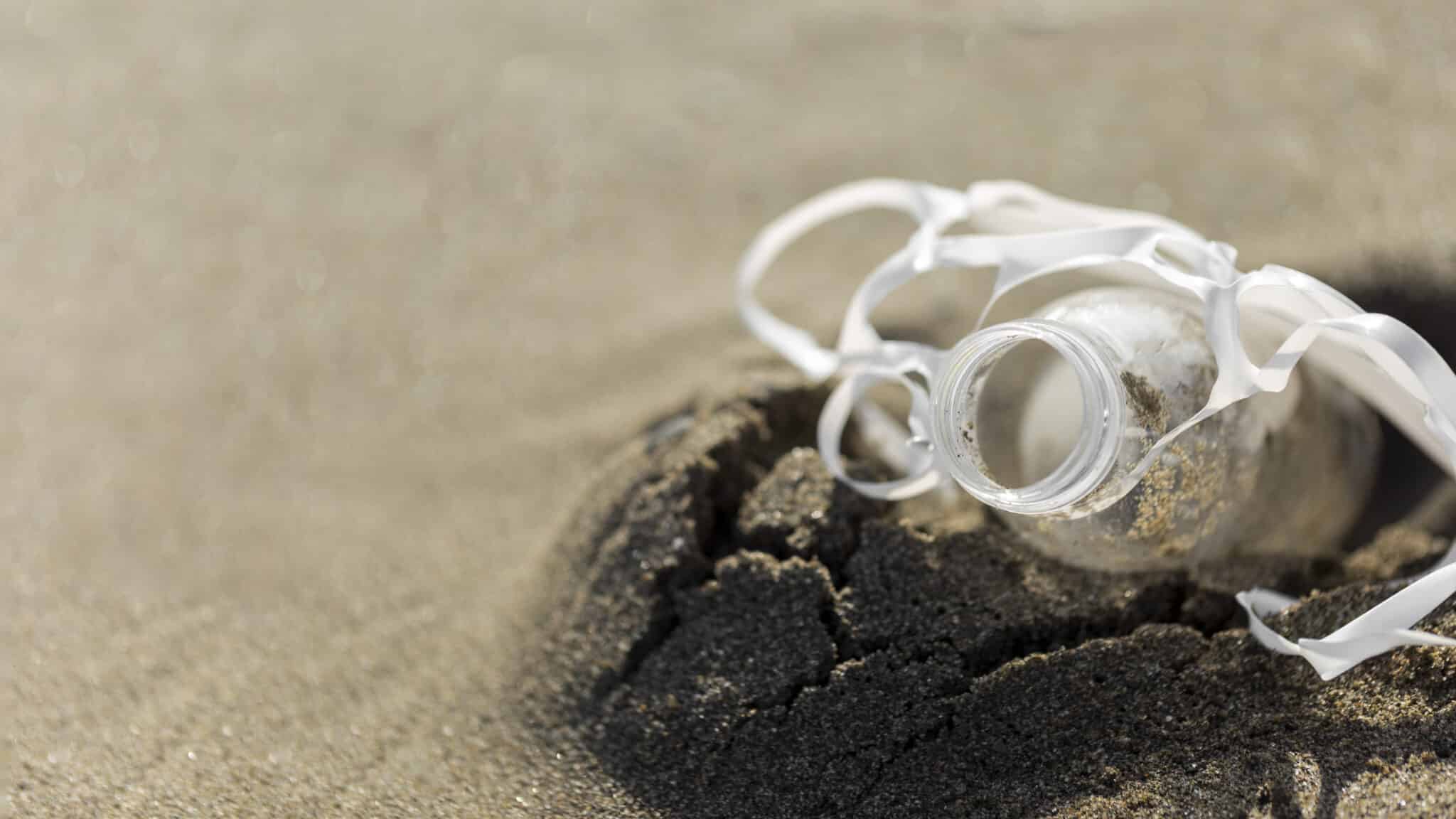
Waste pollution is not just an environmental problem: it threatens human health, drains hundreds of billions of dollars from the global economy, and exacerbates the triple planetary crisis: climate change, nature and biodiversity loss, and the pollution crisis. The most recent report from the World Bank, What a Waste 3.0 (2026), confirms that the world is at a critical juncture. In 2022, municipal solid waste generation reached approximately 2.56 billion tons, a figure that, far from stabilizing, continues to rise rapidly. If current trends persist, the global volume could reach nearly 3.86 billion tons by 2050, representing an increase of close to 50% in less than three decades.
This growth reflects not only unsustainable consumption patterns, but also deep structural inequalities. While high-income countries achieve collection coverages of close to 100%, only about 28% of the waste generated is collected in low-income countries. As a result, about 30% of waste worldwide is still inadequately managed - either through open dumping or no collection at all - which amplifies the impacts on public health, ecosystems and climate stability.
In this context, the theme defined for 2026, “Towards Zero Food Waste through Multisectoral Action,” takes on strategic relevance. Food waste has established itself as one of the main drivers of the contemporary environmental crisis. According to the same report, organic waste accounts for about 38% of municipal waste globally, and is also a significant source of methane emissions, one of the most potent greenhouse gases. However, despite their impact, more sustainable solutions - such as composting or anaerobic digestion - remain marginal, with only 6% of adoption globally.
Global Zero Waste: From Intention to Verifiable Action
Amidst this crisis, one of the greatest opportunities for global sustainability also emerges. The World Bank points out that proper waste management not only reduces environmental impacts but can also become a driver of economic development, job creation, and innovation. The transition towards a circular economy—where materials are kept in use and their value is maximized—allows us to rethink waste not as a problem, but as a strategic resource.
It is precisely at this point that the Zero Waste approach makes sense as an operational model rather than a theoretical aspiration. Since 2012, Global Zero Waste has been working to consolidate an international standard that allows organizations to translate their commitments into verifiable results. In a global scenario where sustainability declarations abound, the difference lies in the ability to measure, demonstrate, and audit environmental performance.
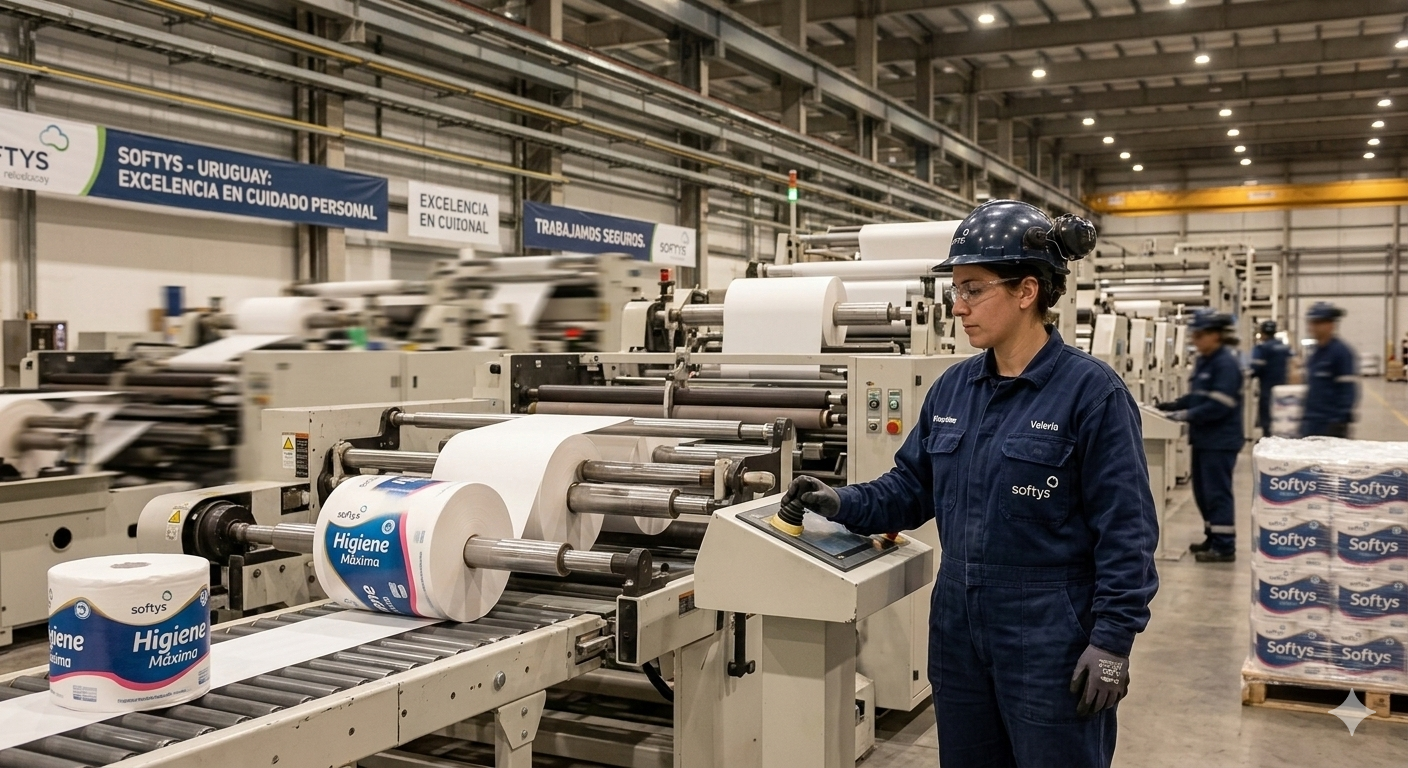
Over more than a decade, this approach has been implemented across multiple sectors—industry, services, education, and government—demonstrating that responsible waste management can be effectively integrated into organizations' daily operations. The results are reflected not only in high percentages of waste diversion from landfills but also in significant emission reductions, resource optimization, and the generation of economic value.
From reflection to transformation
International Zero Waste Day, in this regard, is not solely a day for reflection but a platform for accelerating decisions. The evidence is clear: continuing with traditional models will increase environmental, social, and economic costs globally. In contrast, adopting circular approaches, based on data and independent verification, allows for progress towards more resilient, equitable, and sustainable systems.
Today, more than ever, leadership is measured by concrete actions. Organizations that decide to implement models like Zero Waste not only respond to an environmental demand but also strategically position themselves in an environment where sustainability is a determining factor of competitiveness and reputation.
The challenge is global, but the action is individual and organizational. Every decision counts. Every process optimized, every waste avoided and every system transformed contributes to closing the gap between the current crisis and the sustainable future that is still possible to build.
Because change no longer depends on what we know, but on what we are willing to do with that information.
We can help you be part of the solution.