
Zero Waste Management System
Turn your waste into strategic value
Far more than a checklist: the Zero Waste Management Systems International Standard is a continuous-improvement tool to cut costs and materials while adding value.
Benefits of Affiliation
More than 18 specialised services to power your transition to the circular economy.
Economic benefits
Lower operating costs and new revenue from the recovery of materials.
Operational benefits
Streamlined processes, material traceability and continuous improvement of management.
Environmental, social and governance criteria
Meeting these goals for investors and stakeholders.
Training and assessment
Specialised training and external assessment by Conformity Assessment Bodies.
Certification Process
A clear, structured path towards operational and environmental excellence.
Step 1: Get to know the programme
Watch our explainer videos, read the frequently asked questions and get in touch with any doubts.
- Introductory video
- Frequently asked questions
- First contact
Step 2: Join the programme
Pay, complete the registration and receive your welcome kit and the start of your affiliation within 5 days.
- Affiliation payment
- Organisation registration
- Welcome within 5 days
Step 3: Implement
Build the work plan with technical assistance, involve your internal and external teams, and start seeing the environmental, social and governance benefits.
- Work plan
- Technical assistance
- Environmental, social and governance benefits
Step 4: Get certified
Pass the independent external audit by the authorised Conformity Assessment Bodies and reach your Zero Waste Management System certification category.
- PlatinumThree consecutive certified years, the last one at gold
- Gold80–100 points
- Silver60–79 points
- Bronze40–59 points
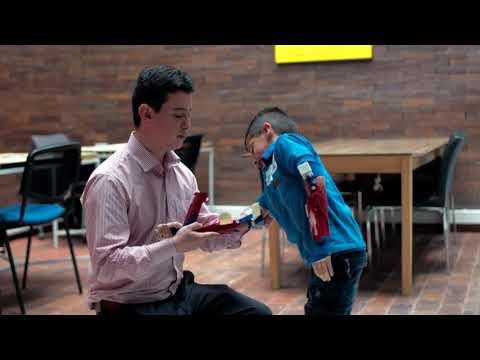
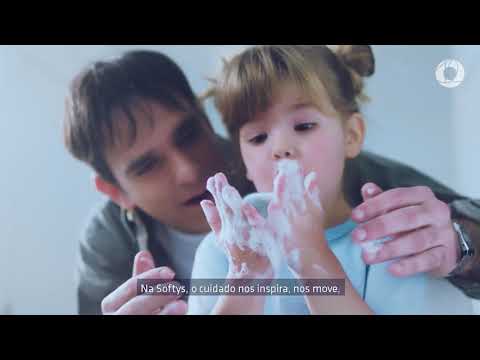
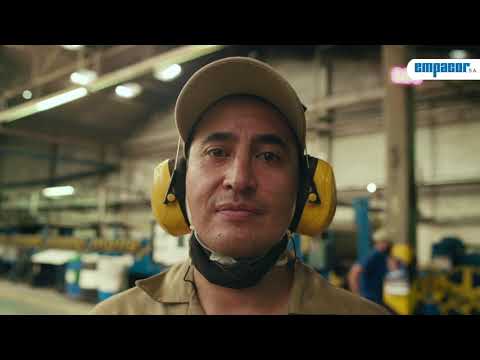
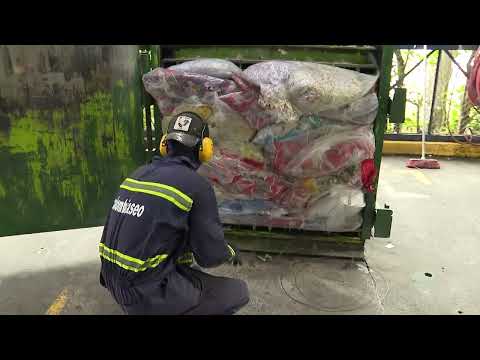
Success Stories across 400+ Facilities
See how leading organisations are transforming their processes with the Zero Waste Management System.
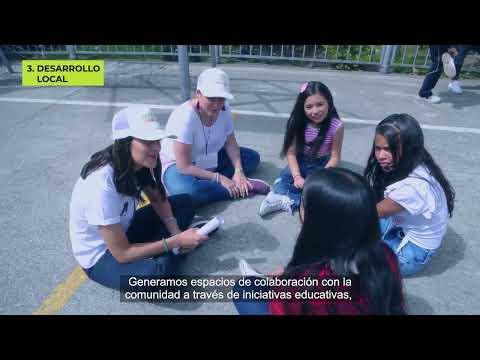
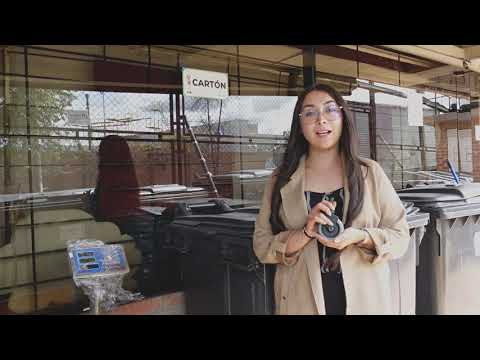
Certified Organisations
Conformity Assessment Bodies
Authorised operator of the Standard
Zero Waste Organisation Registry
Every affiliated organisation, certified and in progress. Search by name or filter by country, sector, status and category.
| Organisation | Country | Sector | Status | Category |
|---|---|---|---|---|
| AAK Colombia S.A.S. | Colombia | Food & beverage | Certified | Gold |
| Aeronáutica Civil | Colombia | Public sector | Certified | Platinum |
| Alcaldía de Medellín | Colombia | Public sector | Certified | Platinum |
| Alimentos del Valle S.A. - Alival | Colombia | Food & beverage | Certified | Gold |
| Alo Sur S.A.S. | Colombia | Construction | Certified | Gold |
| Auteco Mobility S.A.S. | Colombia | Industry & manufacturing | Certified | Platinum |
| Autotécnica Colombiana S.A.S. - Auteco | Colombia | Industry & manufacturing | Certified | Gold |
| B.altman & Compañía S.A.S. | Colombia | Industry & manufacturing | Certified | Gold |
| Banco de Bogotá | Colombia | Services | Certified | Gold |
| Belleza Express S.A.- Bivien | Colombia | Commerce & retail | Certified | Gold |
| Bessac Andina S.A.S. | Colombia | Construction | Certified | Gold |
| BIGBOX ADE (Areal Comércio de Alimentos S/A) | Brazil | Commerce & retail | Certified | Silver |
| BIGBOX COLORADO (Ótima Comércio de Alimentos S/A) | Brazil | Commerce & retail | Certified | Silver |
| Biotrop - Site I | Brazil | Industry & manufacturing | Certified | Gold |
| Biotrop - Site II | Brazil | Industry & manufacturing | Certified | Gold |
| Biotrop - Site III | Brazil | Industry & manufacturing | Certified | Gold |
| Blanco y Negro Masivo | Colombia | Services | Certified | Platinum |
| Cacique El Centro comercial y de Negocios PH | Colombia | Commerce & retail | Certified | Gold |
| Caja de Compensación Familiar de Fenalco - ANDI Comfenalco Cartagena | Colombia | Services | Certified | Gold |
| Caja de Compensación Familiar de FENALCO - Comfenalco Quindío | Colombia | Services | Certified | Platinum |
| Canacol Energy Colombia S.A.S. | Colombia | Services | Certified | Gold |
| CANPACK Colombia S.A.S. | Colombia | Industry & manufacturing | Certified | Gold |
| Casalimpia S.A. | Colombia | Services | Certified | Platinum |
| Centro Comercial Atlantis Plaza | Colombia | Commerce & retail | Certified | Platinum |
| Centro Comercial Centro Mayor | Colombia | Commerce & retail | Certified | Gold |
| Centro Comercial Grupo Viva Barranquilla | Colombia | Commerce & retail | Certified | Gold |
| Centro Comercial Grupo Viva Envigado | Colombia | Commerce & retail | Certified | Gold |
| Centro Comercial Grupo Viva La Ceja | Colombia | Commerce & retail | Certified | Gold |
| Centro Comercial Grupo Viva Las Palmas | Colombia | Commerce & retail | Certified | Gold |
| Centro Comercial Grupo Viva Sincelejo | Colombia | Commerce & retail | Certified | Gold |
| Centro Comercial Nuestro Bogotá Propiedad Horizontal | Colombia | Commerce & retail | Certified | Gold |
| Centro Comercial Plaza Central - Multiplika | Colombia | Commerce & retail | Certified | Gold |
| Centro Comercial Plaza de las Americas PH | Colombia | Commerce & retail | Certified | Gold |
| Centro Comercial Santafé - Bogotá | Colombia | Commerce & retail | Certified | Platinum |
| Centro Integral de Servicios Punto Clave - Propiedad Horizontal | Colombia | Services | Certified | Gold |
| CJ DO BRASIL INDÚSTRIA E COMÉRCIO DE PRODUTOS ALIMENTÍCIOS LTDA | Brazil | Food & beverage | Certified | Gold |
| Colcerámica S.A.S. - Planta Madrid | Colombia | Industry & manufacturing | Certified | Gold |
| Colombiana De Extrusión S A Extrucol | Colombia | Industry & manufacturing | Certified | Gold |
| Colombina del Cauca S.A. | Colombia | Food & beverage | Certified | Platinum |
| Colombina S.A - La Paila | Colombia | Food & beverage | Certified | Platinum |
| Comestibles Ricos - Super Ricas | Colombia | Food & beverage | Certified | Gold |
| Compañía de Puertos Asociados - COMPAS S.A. | Colombia | Services | Certified | Gold |
| Compañía Energética de Occidente S.A.S. | Colombia | Services | Certified | Platinum |
| Corbion | Brazil | Industry & manufacturing | Certified | Gold |
| Corporación Financiera Davivienda S.A. | Colombia | Services | Certified | Gold |
| Departamento Administrativo de Prosperidad Social | Colombia | Public sector | Certified | Platinum |
| Embotelladora de la Sabana S.A.S. Tocancipá | Colombia | Food & beverage | Certified | Platinum |
| Empacor S.A. | Colombia | Industry & manufacturing | Certified | Gold |
| Esenttia | Colombia | Industry & manufacturing | Certified | Platinum |
| Falabella de Colombia S.A. | Colombia | Commerce & retail | Certified | Gold |
| Fideicomiso Opain S.A. - Aeropuerto El Dorado | Colombia | Services | Certified | Platinum |
| Gecelca 3 S.A. E.S.P. - GENERADORA Y COMERCIALIZADORA DE ENERGIA DEL CARIBE S.A. E.S.P. | Colombia | Services | Certified | Gold |
| GLOBOKRAFT INDÚSTRIA DE EMBALAGENS EIRELI | Brazil | Industry & manufacturing | Certified | Gold |
| Grupo Darnel - Ajover (Brasil) | Brazil | Industry & manufacturing | Certified | Platinum |
| Grupo Darnel - Ajover (Colombia) | Colombia | Industry & manufacturing | Certified | Platinum |
| Grupo ecolia (COFAI S.A.S. E.S.P.) | Colombia | Services | Certified | Gold |
| Iberplast S.A. | Colombia | Industry & manufacturing | Certified | Platinum |
| Indugráficas S.A.S. | Colombia | Industry & manufacturing | Certified | Gold |
| Industria Nacional de Gaseosas Femsa Barranquilla | Colombia | Food & beverage | Certified | Gold |
| Industria Nacional de Gaseosas Femsa Bogotá | Colombia | Food & beverage | Certified | Platinum |
| Industria Nacional de Gaseosas Femsa Bucaramanga | Colombia | Food & beverage | Certified | Platinum |
| Industria Nacional de Gaseosas Femsa Cali | Colombia | Food & beverage | Certified | Platinum |
| Industria Nacional de Gaseosas Femsa Manantial | Colombia | Food & beverage | Certified | Platinum |
| Industria Nacional de Gaseosas Femsa Medellín | Colombia | Food & beverage | Certified | Platinum |
| Industrias Alimenticias Báez S.A.S. - INDUBÁEZ S.A.S. | Colombia | Food & beverage | Certified | Platinum |
| Jardinería Pulido S.A.S. | Colombia | Services | Certified | Gold |
| Litoplas S.A. | Colombia | Industry & manufacturing | Certified | Gold |
| MAPFRE | Brazil | Services | Certified | Gold |
| Megamall Centro Comercial | Colombia | Commerce & retail | Certified | Gold |
| Mineros Aluvial S.A.S. BIC | Colombia | Industry & manufacturing | Certified | Gold |
| MTS Consultoría + Gestión S.A.S. | Colombia | Services | Certified | Silver |
| NORSKAN OFFSHORE LTDA - DOF Subsea Group | Brazil | Services | Certified | Gold |
| Organización Terpel S.A. - Centro de Innovación y Tecnología | Colombia | Services | Certified | Gold |
| Organización Terpel S.A. - Planta Lubricantes | Colombia | Industry & manufacturing | Certified | Gold |
| PETRONAS LUBRIFICANTES BRASIL S.A. | Brazil | Industry & manufacturing | Certified | Gold |
| PGI Colombia LTDA - Berry Global | Colombia | Industry & manufacturing | Certified | Gold |
| Plásticos y Maderas Reciclables S.A.S. | Colombia | Industry & manufacturing | Certified | Platinum |
| Premium Plaza P.H. | Colombia | Commerce & retail | Certified | Gold |
| Procaps S.A. | Colombia | Healthcare | Certified | Platinum |
| Productos Ramo S.A.S. | Colombia | Food & beverage | Certified | Gold |
| Proenfar | Colombia | Industry & manufacturing | Certified | Gold |
| Promigas S.A. E.S.P. | Colombia | Services | Certified | Gold |
| Promoambiental Distrito S.A.S E.S.P. | Colombia | Services | Certified | Gold |
| PromoCali S.A.S. E.S.P. | Colombia | Services | Certified | Gold |
| PromoValle S.A.S. E.S.P. | Colombia | Services | Certified | Gold |
| SAF Botafogo (6º andar) | Brazil | Other | Certified | Gold |
| SANTO ANTÔNIO ENERGIA S.A. | Brazil | Services | Certified | Gold |
| Servicios Empresariales de Aseo S.A.S. E.S.P. BIC | Colombia | Services | Certified | Gold |
| Sociedad Portuaria El Cayao S.A. E.S.P. | Colombia | Services | Certified | Gold |
| Sodexo | Colombia | Services | Certified | Platinum |
| Softys Argentina S.A. | Argentina | Industry & manufacturing | Certified | Gold |
| Softys Chile S.P.A. | Chile | Industry & manufacturing | Certified | Gold |
| Softys Colombia S.A. (Drypers) | Colombia | Industry & manufacturing | Certified | Platinum |
| Softys Ecuador (Productos Tissue del Ecuador S.A.) | Ecuador | Industry & manufacturing | Certified | Platinum |
| Softys Gachancipá S.A. (Protisa) | Colombia | Industry & manufacturing | Certified | Platinum |
| Softys México (Absormex CMPC Tissue, S.A. de C.V.) | Mexico | Industry & manufacturing | Certified | Silver |
| Softys Perú | Peru | Industry & manufacturing | Certified | Gold |
| Softys Uruguay (Industria Papelera Uruguaya S.A.) | Uruguay | Industry & manufacturing | Certified | Platinum |
| Special Dog Company | Brazil | Food & beverage | Certified | Gold |
| Sun Chemical Colombia S.A.S. | Colombia | Industry & manufacturing | Certified | Gold |
| TQ- Tecnoquímicas - Tecnosur S.A.S. | Colombia | Healthcare | Certified | Gold |
| TUBOSA | Colombia | Industry & manufacturing | Certified | Gold |
| TWM S.A.S. | Colombia | Other | Certified | Gold |
| Ultracem S.A.S. | Colombia | Construction | Certified | Gold |
| Universidad de la Sabana | Colombia | Education | Certified | Gold |
| Universidad Militar Nueva Granada | Colombia | Education | Certified | Gold |
| Universidad Pontificia Bolivariana (Campus Medellín y Montería) | Colombia | Education | Certified | Platinum |
| Universidad Simón Bolívar | Colombia | Education | Certified | Platinum |
| Virutex Ilko Colombia S.A.S. | Colombia | Industry & manufacturing | Certified | Gold |
| Windar Torres Eólicas Do Brasil LTDA | Brazil | Industry & manufacturing | Certified | Silver |
| Zona Franca Central Cervecera S.A.S. | Colombia | Food & beverage | Certified | Gold |
| ADP Brasil - Unidade POA | Brazil | Services | In progress | — |
| ADP Brasil - Unidade SP | Brazil | Services | In progress | — |
| Alpina Productos Alimenticios S.A.S BIC | Colombia | Food & beverage | In progress | — |
| ARpack S.A.S. | Colombia | Industry & manufacturing | In progress | — |
| Banco Mundo Mujer | Colombia | Services | In progress | — |
| Blau Farmacêutica S.A. - Filial Anápolis/GO | Brazil | Healthcare | In progress | — |
| Blau Farmacêutica S.A. - Filial São Paulo/SP | Brazil | Healthcare | In progress | — |
| Blau Farmacêutica S.A. - Matriz Cotia/SP | Brazil | Healthcare | In progress | — |
| CAIXA ECONÔMICA 1 | Brazil | Services | In progress | — |
| CAIXA ECONÔMICA 2 | Brazil | Services | In progress | — |
| CAIXA ECONÔMICA 3 | Brazil | Services | In progress | — |
| CAIXA ECONÔMICA 4 | Brazil | Services | In progress | — |
| Caja Colombiana de Subsidio Familiar Colsubsidio - Piscilago: Parque Acuático y de Conservación | Colombia | Hospitality & tourism | In progress | — |
| Caja de Compensación Familiar de Fenalco - Seccional Tolima | Colombia | Services | In progress | — |
| Cámara de Comercio de Bogotá | Colombia | Services | In progress | — |
| Cámara de Comercio de Casanare | Colombia | Services | In progress | — |
| Camil Alimentos SA - Filial Mabel Goiânia | Brazil | Food & beverage | In progress | — |
| Camil Alimentos SA - Filial Mabel Sergipe | Brazil | Food & beverage | In progress | — |
| Camil Alimentos SA - Filial Santa Amália (MG) | Brazil | Food & beverage | In progress | — |
| Campari | Brazil | Food & beverage | In progress | — |
| Centro Comercial Bulevar Niza P.H. | Colombia | Commerce & retail | In progress | — |
| Centro Comercial Plaza Claro (Comunicación Celular - Comcel S.A.) | Colombia | Commerce & retail | In progress | — |
| CMPC Celulose Riograndense Ltda | Brazil | Industry & manufacturing | In progress | — |
| Colombiana de Escenarios S.A.S. - Movistar Arena | Colombia | Services | In progress | — |
| Companhia Ultragaz S.A. | Brazil | Services | In progress | — |
| Compañía de Alimentos del Pacifico S.A. - Colombina - CAPSA | Guatemala | Food & beverage | In progress | — |
| Concesión La Pintada S.A.S. | Colombia | Construction | In progress | — |
| Concesión Tunel de Aburrá Oriente | Colombia | Construction | In progress | — |
| Conducen S.R.L. - Prysmian | Costa Rica | Industry & manufacturing | In progress | — |
| Continental Gold Limited (Sucursal Colombia) | Colombia | Industry & manufacturing | In progress | — |
| Cooperativa Multiactiva Reciclaje Inteligente | Colombia | Services | In progress | — |
| Coquecol S.A.S. C I | Colombia | Industry & manufacturing | In progress | — |
| Crown Colombiana S.A. | Colombia | Industry & manufacturing | In progress | — |
| Decowraps Colombia S.A.S. | Colombia | Industry & manufacturing | In progress | — |
| Droguerías y Farmacias Cruz Verde S.A.S. | Colombia | Healthcare | In progress | — |
| Ecodiesel Colombia S.A. | Colombia | Industry & manufacturing | In progress | — |
| Empresa de Acueducto y Alcantarillado de Bogotá - EAAB E.S.P. | Colombia | Services | In progress | — |
| EMS | Brazil | Healthcare | In progress | — |
| EnfraGen Termoflores S.A.S E.S.P. | Colombia | Services | In progress | — |
| EnfraGen Termovalle S.A.S E.S.P. | Colombia | Services | In progress | — |
| Esmeralda Corp SAC | Peru | Other | In progress | — |
| Fundación Gimnasio Moderno | Colombia | Education | In progress | — |
| Fundación Parque Jaime Duque | Colombia | Hospitality & tourism | In progress | — |
| Fundación Universitaria del Área Andina | Colombia | Education | In progress | — |
| Gobierno Departamental del Tolima | Colombia | Public sector | In progress | — |
| GREENBRIER MAXION | Brazil | Industry & manufacturing | In progress | — |
| Haceb Whirlpool Industrial S.A.S | Colombia | Industry & manufacturing | In progress | — |
| Hitachi Energy Brasil | Brazil | Industry & manufacturing | In progress | — |
| Hyundai Motor Brasil | Brazil | Industry & manufacturing | In progress | — |
| Industria de Harinas Tuluá S.A.S. | Colombia | Food & beverage | In progress | — |
| Ingenio del Cauca S.A.S. - Incauca | Colombia | Food & beverage | In progress | — |
| Interaseo S.A.S E.S.P. | Colombia | Services | In progress | — |
| Iochpe-Maxion S.A. | Brazil | Industry & manufacturing | In progress | — |
| Italcol Occidente S.A. | Colombia | Food & beverage | In progress | — |
| Italcol S.A. | Colombia | Food & beverage | In progress | — |
| Laboratorio Químico Farmacêutico Bergamo LTDA - Filial Caucaia/SP | Brazil | Healthcare | In progress | — |
| Laboratorio Químico Farmacêutico Bergamo LTDA - Matriz Taboão da Serra/SP | Brazil | Healthcare | In progress | — |
| Latam Airlines Colombia S.A. | Colombia | Services | In progress | — |
| LPT PET COMPANY S.A.S. | Colombia | Industry & manufacturing | In progress | — |
| MAGNERA - PABR 01 | Brazil | Industry & manufacturing | In progress | — |
| MAGNERA - PABR 02 | Brazil | Industry & manufacturing | In progress | — |
| MANE Andina S.A.S. | Colombia | Industry & manufacturing | In progress | — |
| Metalúrgica Riosulense S.A. | Brazil | Industry & manufacturing | In progress | — |
| Mezquita Catedral de Córdoba | Spain | Hospitality & tourism | In progress | — |
| MTS Consultoría + Gestión S.A.S. | Panama | Services | In progress | — |
| MTS Consultoría + Gestión S.A.S. | Costa Rica | Services | In progress | — |
| Oleoducto de los Llanos Orientales S.A. | Colombia | Services | In progress | — |
| ONS - Brasília/DF | Brazil | Services | In progress | — |
| ONS - Florianópolis/SC | Brazil | Services | In progress | — |
| ONS - Recife/PE | Brazil | Services | In progress | — |
| ONS - Rio de Janeiro/RJ | Brazil | Services | In progress | — |
| Pacaribe S.A.S E.S.P. | Colombia | Services | In progress | — |
| Papirus Indústria de Papel SA | Brazil | Industry & manufacturing | In progress | — |
| Pilkington | Brazil | Industry & manufacturing | In progress | — |
| Plásticos Rimax S.A.S. | Colombia | Industry & manufacturing | In progress | — |
| Plásticos Truher S.A. | Colombia | Industry & manufacturing | In progress | — |
| Premier Pet (Grandfood Industria e Comercio LTDA) | Brazil | Food & beverage | In progress | — |
| Promioriente S.A. E.S.P. | Colombia | Services | In progress | — |
| Retambores S.A.S. - ENVASES DE INDUSTRIA COLOMBIANA S.A.S | Colombia | Industry & manufacturing | In progress | — |
| Royal Canin | Brazil | Food & beverage | In progress | — |
| Shopee | Brazil | Commerce & retail | In progress | — |
| Sika Colombia S.A.S. | Colombia | Construction | In progress | — |
| Simoniz S.A. | Colombia | Industry & manufacturing | In progress | — |
| Sociedad Portuaria Puerto Bahía S.A. | Colombia | Services | In progress | — |
| Softys Brasil LTDA | Brazil | Industry & manufacturing | In progress | — |
| Softys México (Productos Internacionales Mabe SA de CV) | Mexico | Industry & manufacturing | In progress | — |
| Solgas SA | Peru | Services | In progress | — |
| Sucroal S.A. | Colombia | Food & beverage | In progress | — |
| TGI - Transportadora de Gas Internacional S.A. E.S.P. | Colombia | Services | In progress | — |
| The Fini Company Brasil | Brazil | Food & beverage | In progress | — |
| Valle Galbarro Alimentación | Spain | Food & beverage | In progress | — |
| Vélez Lab S.A.S. | Colombia | Industry & manufacturing | In progress | — |
| VOLKSWAGEN TRUCK & BUS Indústria e Comércio de Veículos Ltda | Brazil | Industry & manufacturing | In progress | — |
| Yamaha Motor | Brazil | Industry & manufacturing | In progress | — |
205 organisations · Source: Global Zero Waste affiliation registry. Organisations with a published case study link to it.
Frequently Asked Questions
We answer your questions about the certification process and the Zero Waste Management System.
What is the Zero Waste Management System?
It is a technical and management tool that allows organisations to implement the 3 R and 9 R strategies (refuse, rethink, reduce, reuse, repair, restore, remanufacture, repurpose and recycle) within a continuous improvement process, taking life cycle analysis and risk management into account, in order to increase their efficiency in the performance of the flow of materials and solid waste, within the framework of the circular economy.
The Zero Waste Management System follows the harmonised (high-level) structure of the ISO standards, is aligned with the ISO 59000 circular economy standards, and can be audited and certified by authorised Conformity Assessment Bodies. It also applies project direction and management guidelines to make it easier to implement across different economic sectors and internationally.
Who operates the Zero Waste Management System certification programme?
The Zero Waste Management System certification programme is managed by Global Zero Waste, a non-governmental organisation (NGO) founded in 2012 and a leader in developing circular economy standards and in building synergies between the public sector, the private sector and the general public. The programme also relies on authorised conformity assessment bodies to ensure the independence and transparency of the standard, through the audit and certification of the International Standard.
Who can be certified under the Zero Waste Management System?
Any public or private organisation, in any sector of the economy, that wishes to establish and make visible its commitment to the circular economy and to apply the Zero Waste model as a tool to improve the management of its solid waste, its materials and its organisational processes.
What benefits does the Zero Waste Management System offer?
Implementing the System in an organised way delivers broad economic, environmental and social benefits. It also gives organisations valuable data and information about the flow of materials they use and how it is managed, encouraging the design of circular economy alternatives and sustainability through different approaches. The information generated by implementing the System can be mapped onto other sustainability standards, such as GRI reports, Sustainability GreenMetric, ISO 59000 and ISO 14001, among others.
What categories exist in the Zero Waste Management System certification?
Zero Waste Management System certification has three categories and one recognition:
- Platinum: recognition for organisations that have certified their System for three consecutive years and reached the gold category in the most recent period.
- Gold: certification for organisations with a total score between 80 and 100 points.
- Silver: certification for organisations with a total score between 60 and 79 points.
- Bronze: certification for organisations with a total score between 40 and 59 points.
Each category represents a different level of achievement against the Zero Waste Management Systems International Standard, which allows organisations to keep pursuing continuous improvement in their integrated management of materials and waste.
Who certifies the Zero Waste Management System?
The Zero Waste Management System is certified by the authorised Conformity Assessment Bodies together with Global Zero Waste, which carry out an external and independent audit. This process ensures the credibility and integrity of the certification.
Which Sustainable Development Goals does implementing the Zero Waste Management System contribute to?
The Zero Waste Management System contributes significantly to meeting the targets of the Sustainable Development Goals, adopted by the United Nations in 2015 as a universal call to end poverty, protect the planet and ensure that, by 2030, all people enjoy peace and prosperity.
The International Standard contributes to the following Sustainable Development Goals:
- Biosphere: Goal 6 (Clean Water and Sanitation), Goal 13 (Climate Action), Goal 14 (Life Below Water) and Goal 15 (Life on Land).
- Society: Goal 2 (Zero Hunger), Goal 7 (Affordable and Clean Energy) and Goal 11 (Sustainable Cities and Communities).
- Economy: Goal 8 (Decent Work and Economic Growth), Goal 9 (Industry, Innovation and Infrastructure), Goal 12 (Responsible Consumption and Production) and Goal 17 (Partnerships for the Goals).
By implementing the Standard, organisations can play an important role in advancing the Sustainable Development Goals and in promoting sustainable development globally.
What are the costs of Zero Waste Management System certification?
- 1. Entry to the certification programme: as an organisation, you need to take out the Zero Waste Affiliation. This amount varies according to the size of the organisation: small, medium or large. For more information, contact us at proyectos@basuraceroglobal.com or through this form.
- 2. Implementing the Zero Waste Management System: based on the needs analysis carried out by the organisation, the cost of implementation varies according to the resources (human, technological, etc.) and the scope (processes, areas, facilities, among others) that the organisation prioritises and defines for the roll-out.
- 3. Certification audit: this is the external audit process, carried out by a Conformity Assessment Body. The cost of the audit is set by the body chosen for that purpose.
Please note that these costs are an essential part of the process to guarantee the credibility and integrity of the certification.
Do I need 100% recycling or zero (0) waste to landfill to be certified under the Zero Waste Management System?
No, the Zero Waste Management System is not a recycling-only standard. This International Standard seeks to continuously improve the efficiency of the organisation's flow of materials and waste, in order to ensure the traceability of the process and to reduce the waste sent to final disposal and to low-efficiency strategies such as energy recovery. It does so through more efficient 3 R and 9 R strategies, such as reduction and reuse. As an enabling requirement, the organisation must have a real recycling rate of at least 50%, although that is not the only requirement to obtain the certification. This System verifies other organisational components in an integrated way, since it is a circular economy tool for the flow of materials.
If I have more than 50% real waste recycling or diversion from landfill, can I be certified under the Zero Waste Management System?
Only if the organisation is meeting the other requirements of the International Standard with a minimum of 40 points. While the enabling requirement is that the company has a real recycling rate of at least 50%, the goal is to achieve continuous improvement in the efficiency of the flow of materials and to ensure its traceability, so it must meet the other requirements of the International Standard. Depending on its level of compliance (the score awarded through the third-party audit), it is classified in the bronze, silver or gold category.
Does the Zero Waste Management System certification category depend on the organisation's recycling percentage or rate?
No. The category awarded depends on the organisation's level of compliance with the requirements of the Zero Waste Management Systems International Standard, which are covered by the headings «context of the organisation, leadership, planning, support, operation of integrated solid waste management, performance evaluation and continuous improvement».
What are the components of the Zero Waste Management System Standard?
One of the great strengths of the International Standard is that it is organised under the harmonised (or high-level) structure of the ISO international standards, which allows it to be aligned favourably, systemically and holistically with other organisational standards. The Zero Waste Management Systems International Standard has the following eleven (11) headings:
- 0. Introduction,
- 1. Scope,
- 2. Normative references,
- 3. Terms and definitions,
- 4. Context of the organisation,
- 5. Leadership,
- 6. Planning,
- 7. Support,
- 8. Operation of integrated solid waste management,
- 9. Performance evaluation,
- 10. Improvement (continuous).
How long does it take an organisation to implement and be certified under the Zero Waste Management System?
The time needed to implement the International Standard varies according to the characteristics of each organisation, its scope, its team and how far it has progressed with circular economy strategies. On average this process can take between 6 and 12 months.
The time needed for certification of the International Standard varies according to the defined scope of the Zero Waste Management System. It can take approximately two months, once the conformity assessment has been carried out by the Conformity Assessment Body.
Affiliate your organisation today
Join the global network of leading organisations. Get more than 18 specialised services, continuous training and permanent support from circular economy experts.
Videos are served by YouTube: when you play them, Google may store data on your device.